What is Botanical Medicine?
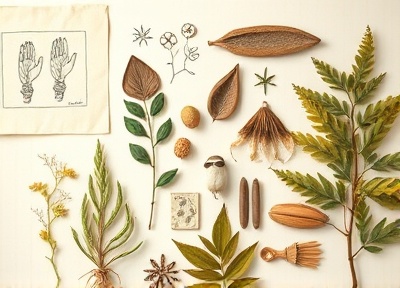
Botanical medicine (also called herbalism) is the practice of using plants—their leaves, roots, seeds, flowers, and bark—to support health and treat illness. It’s one of the oldest healing practices known to humanity, with evidence of medicinal plant use dating back thousands of years across virtually every culture.
How Plants Heal
Plants contain hundreds of active compounds—alkaloids, flavonoids, volatile oils, and many others—that interact with our bodies in specific ways. When we consume or apply these plants, we’re essentially harnessing millions of years of plant evolution to support our own health.
Key active compounds in medicinal plants include:
- Alkaloids: Bitter compounds that often have strong physiological effects (like caffeine in coffee)
- Flavonoids: Antioxidant compounds found in many plants, supporting overall wellness
- Volatile Oils: Aromatic compounds with antibacterial, anti-inflammatory, and calming properties
- Polysaccharides: Complex carbohydrates that often support immune function
Traditional Knowledge Meets Modern Science
While botanical medicine is ancient, modern science is increasingly validating traditional practices:
- Echinacea (traditional cold remedy) is shown to support immune function
- Ginger (used for centuries for digestion) demonstrates anti-inflammatory properties
- Passionflower (traditional calming herb) shows promise for anxiety and sleep support
- Turmeric (used for thousands of years in Ayurvedic medicine) contains curcumin, a powerful anti-inflammatory compound
This doesn’t mean every traditional use is proven—but it does mean we can approach plant medicine with both respect for traditional knowledge AND scientific rigor.
Common Ways to Use Botanical Medicine
Infusions & Decoctions
- Infusions: Steeping leaves or flowers in hot water (like tea)
- Decoctions: Simmering harder plant parts (roots, bark, seeds) for longer
Tinctures
Alcohol extractions that concentrate plant compounds. Often taken in small doses.
Salves & Creams
Herbal oils combined with beeswax or other bases for topical application.
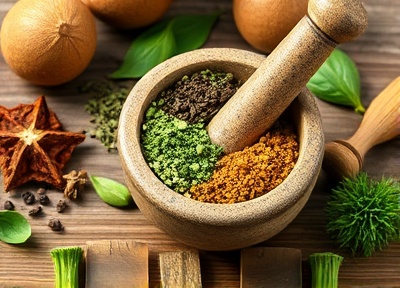
Powders & Capsules
Dried, powdered herbs that can be taken in capsule form for convenience.
Using Plants Safely
While plants are natural, they’re not automatically safe. Here are key principles:
- Identify correctly: Know exactly what you’re using
- Research interactions: Some plants interact with medications
- Respect dosage: More isn’t always better
- Start slowly: When trying something new, begin with a small amount
- Consult professionals: Talk to your healthcare provider, especially if you take medications
The Full Circle Botanicals Approach
We believe botanical medicine is most powerful when approached holistically. This means:
- Understanding the whole plant, not just isolated compounds
- Honoring the traditional knowledge that informed its use
- Supporting sustainable harvesting and growing practices
- Integrating plant medicine with other healthy practices (good sleep, nutrition, movement)
- Using plants to build long-term wellness, not just treat acute symptoms
Learning More
Botanical medicine is a deep field of study. At Full Circle Botanicals, our classes explore:
- How to identify and use common medicinal plants
- How to prepare herbal remedies at home
- The science and tradition behind plant medicine
- How to build a personal herbal practice
Plant medicine brings us back to our roots—literally connecting us with the healing power of plants and the wisdom of cultures who’ve used them for generations.
Ready to explore the world of botanical medicine? Join us for a class or workshop.